Does Pest Management in Windsor Function for Seasonal Pests?
Absolutely, pest control Windsor solutions can be highly effective for seasonal pests when the treatment plan is aligned to the local climate, the pest species, and the property type. In Windsor, ON, pest pressure changes across spring, summer, fall, and winter, so the most effective approach is not a one-time spray. It is a blend of inspection, targeted treatment, exclusion, and prevention that adjusts to weather, nesting habits, and entry points.
Because Windsor sits near the Detroit River and Lake St. Clair corridor, waterfront conditions and humid air can raise pest activity in predictable ways. Hot, moist summers can increase mosquitoes, ants, and wasps. Fall brings more indoor movement from spiders and cluster flies. Winter freeze-thaw cycles can push mice and rats indoors through small structural gaps. A good seasonal service plan accounts for all of that.
What common seasonal pests are common in Windsor, ON?
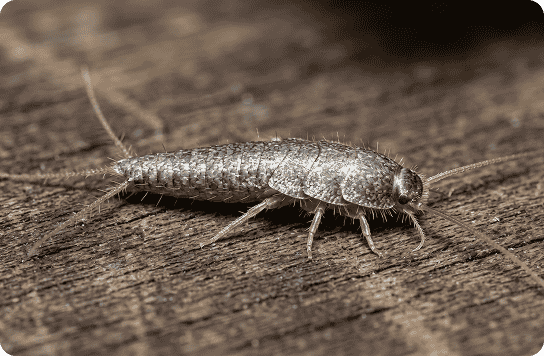
Windsor, ON offers a mix of city neighbourhoods, established housing, and commercial corridors that provide ideal environments for many seasonal pests. In warm weather, residents often notice ants, wasps, mosquitoes, and spiders around house foundations, decks, soffits, and yards. As temperatures cool in fall, cluster flies, silverfish, and earwigs may become more visible indoors. During colder weather, mice and rats are more likely to look for indoor shelter and warmth.
Different pests adapt to different environmental conditions. Ants often seek food and moisture sources. Wasps build nesting sites in sheltered locations. Mosquitoes breed where standing water collects. Spiders tend to move indoors as temperatures drop or food sources shift. Cockroaches and bed bugs are not always “seasonal” in the same way, but they can still show up in Windsor properties year-round and should be included in a broader pest management plan.
That is why local pest control is not just about eradicating a visible infestation. It is about recognizing seasonal pest pressure and reducing the conditions that sustain it.
How pest control Windsor providers focus on pests in spring and summer
In spring and summer, pest control Windsor professionals commonly deal with the insects that become active as the weather warms. This happens when spring pests appear from overwintering sites and summer pests start reproducing quickly. The purpose is to reduce pest activity before it turns into a larger infestation.
A proper service plan may include an inspection of the exterior perimeter, eaves, foundation line, siding, and yard features. Technicians look for ant trails, wasp entry areas, mosquito breeding conditions, spider harborage, and any structural gaps that support recurring activity. Once the source is understood, they can apply targeted treatment right where it matters most rather than over-treating every surface.
For mosquitoes, control often involves reducing standing water, addressing harborage around dense landscaping, and using a barrier treatment around areas where people spend time outdoors. For ants, the solution may be a combination of baiting, entry-point treatment, and exclusion to prevent re-entry. For wasps, attention is usually on nest location, activity level, and safe removal or suppression based on the situation.
Why warmer weather increases pest activity in Windsor
Warmer months create ideal conditions for pest reproduction. Rising temperature speeds up many insects’ breeding cycles, while higher humidity supports survival in areas where pests can find moisture and shelter. In Windsor, humid summer weather can noticeably increase mosquito pressure, ant trails, and wasp activity around patios, sheds, and rooflines.
These environmental conditions also improve outdoor nesting opportunities. Birds, insects, and rodents all seek protected nesting sites when the weather is stable. Around the Detroit River and Lake St. Clair corridor, waterfront influence can create damp microclimates that support more persistent pest activity in some neighbourhoods. It does not mean every property will have the same problem, but it does mean local pest control needs a climate-aware treatment plan.
As soon as technicians understand the local nesting period, they can time applications, inspections, and follow-up visits more effectively. This improves risk control and helps stop small issues from becoming larger infestations later in the season.
Can the pest control in Windsor deal with fall invaders and rodents in winter?
Certainly. A major strengths of professional pest control Windsor help is that it can tackle pests that become more noticeable as the seasons change. In fall, homeowners often see fall pests such as web spiders, cluster flies, and overwintering insects that try to move inside before temperatures drop. In winter, winter rodents like mice and rats can become a serious issue as they seek heat, sustenance, and shelter.
Fall and winter pest control is not just about reacting to what you can see. It is about identifying the pathways pests use to enter and survive indoors. Many rodents and insects exploit small openings around roofs, utility lines, doors, vents, and foundations. Once inside, they may nest in attics, wall voids, basements, or storage areas where they are less easy to spot.
In Windsor, freeze-thaw cycles can make these problems worse. As temperatures move above and below freezing, building materials shift and crack, creating new openings or enlarging existing ones. That means seasonal maintenance matters just as much in late fall and winter as it does in spring and summer.
Which entry points pests use in homes and businesses
Many infestations begin with overlooked entry points. In older detached homes, common access areas include foundation cracks, gaps around vents, loose trim, and damaged weather stripping. In townhomes, pests may move through shared walls, utility routes, or small openings around attached structures. In commercial properties and strip plazas, pests can exploit loading areas, door sweeps, roofline gaps, and service penetrations.
Technicians often check soffits, attics, and utility penetrations because these are prime routes for rodents and insects. A mouse only needs a tiny gap, and insects can use even smaller openings. That is why exclusion is such an important part of long-term control. Sealing structural gaps, reinforcing vulnerable areas, and improving the building envelope can significantly reduce the chance of repeat problems.
This matters especially for properties near busy routes or waterfront zones, where pest pressure can be higher because of easy access to food, humidity, or nearby shelter. A good technician does not just fix the visible issue. They trace the route.
Why is local pest control in Windsor better than DIY?
DIY pest control can help with minor, isolated issues, but it often comes up short when pests are linked to a broader seasonal pattern. Local professionals bring experience with Windsor’s climate, building styles, and recurring pest behavior. That leads to better inspection, more accurate targeted treatment, and stronger long-term prevention.
Professional service often uses integrated pest management, which means the response is based on evidence rather than guesswork. This approach considers pest identification, source tracking, sanitation, exclusion, habitat changes, and carefully selected treatments. It is especially helpful when dealing with recurring ants, wasps, mosquitoes, mice, rats, silverfish, earwigs, cockroaches, or bed bugs.
DIY methods may reduce visible pests for a short time, but they often miss the nesting site, the moisture source, or the access route. That can lead to repeat infestations. By contrast, a professional plan focuses on the whole environment: what is attracting pests, where they are entering, and how to keep them from coming back.
For homes and businesses alike, that can mean better long-term monitoring, lower risk, and steadier results.
How local technicians adapt treatments to Windsor properties
Local technicians can adjust a treatment plan to the type of property involved. Detached homes in older Windsor neighbourhoods may need more attention to foundation sealing, attic access, and exterior wood features. Townhomes may require a strategy that considers shared walls, rooflines, and closely spaced landscaping. Commercial properties and retail plazas often need a broader inspection because multiple doors, deliveries, waste areas, and service lines create extra pressure points.
Windsor’s riverside location also matters. Moisture, wind patterns, and nearby vegetation can influence where insects and rodents shelter. A local technician who understands these patterns can tailor the treatment plan to the real conditions on site instead of using a generic one-size-fits-all approach.
That is the place where professional residential pest control and commercial pest control equally stand out. Each premises type has its own access routes, hygiene concerns, and seasonal pest risks.
How regularly should Windsor residents plan seasonal pest service?
The right service schedule depends on the property, the pest history, and the surrounding environment. In many cases, Windsor residents benefit from a seasonal inspection at the start of spring and again in late summer or early fall. Properties with repeated issues may need recurring treatment and closer monitoring through the active seasons.
A smart seasonal plan often includes:
- Springtime inspection for ants, wasps, and overwintering insects
- Summer monitoring for mosquitoes, spiders, and outdoor nesting activity
- Fall exclusion and rodent prevention before colder weather arrives
- Winter checks for mice, rats, and hidden indoor harborage
This kind of proactive maintenance is especially valuable in Windsor because weather changes can be abrupt. Seasonal shifts can alter pest behavior quickly, and new issues can develop between visits. A recurring service model gives technicians a chance to adjust the plan based on what they find, rather than waiting for a full-blown infestation.
For many properties, the ideal approach is a standing seasonal service with follow-up monitoring. That provides stronger control and better long-term risk reduction.
What prevention steps help between service appointments?
Expert pest management is most successful when property owners back it up with consistent daily routines. During the intervals, focus on sanitation, moisture control, and keeping potential entry points sealed. These steps make the property less inviting to pests and lower the chances of reinfestation.
Maintain kitchens, storage rooms, and waste areas clean. Eliminate food residue, secure garbage, and reduce clutter where pests can hide. Address leaks, damp basements, and condensation issues because moisture attracts many insects and can support rodent activity as well. In Windsor, where humid summers and freeze-thaw cycles can both create moisture problems, controlling dampness is especially important.
Seal entry points around doors, windows, pipe openings, vents, and foundation lines. Check screens, sweeps, caulking, and weather stripping regularly. Outside, keep vegetation trimmed away from the structure and reduce dense landscaping that creates hiding places near the foundation. Clean gutters and remove standing water to reduce mosquito breeding conditions.

These actions support the professional treatment plan and help lower the overall pest burden around the property.
When should you call a Windsor pest control professional?
You should contact a pro as soon as you spot infestation signs. This can include ant trails, wasp nests, scratching in walls or ceilings, droppings, damaged packaging, gnaw marks, unusual smells, or insects that keep returning after DIY treatment. The earlier the action, the easier it is to stop the problem before it spreads.
It is also advisable to get assistance when you see damage to property or when pests are causing medical risks. Rats and mice can pollute stored food and surfaces. Roaches can be a significant concern in food prep areas and multi-unit environments. Bedbug infestations require prompt identification and a targeted response. Wasps and hornets can be risky near entrances, play areas, or busy commercial spaces. Mosquitoes and biting insects can make outdoor living uncomfortable and can signal water buildup concerns nearby.
Rapid intervention matters because pests reproduce, relocate, and adapt. A swift check and follow-up can reduce time, reduce service costs, and limit the spread of the infestation. If the issue is in a house, townhouse, apartment-style setting, or retail plaza, timely intervention is one of the most effective ways to preserve the property.
In Windsor, season-based pest control delivers the best results when it is local, well-timed, and preventive. The most dependable results come from aligning the treatment plan to the current season, the pest species, and the building itself.
Common Questions
Does pest control in Windsor handle seasonal pests such as ants and wasps?
Yes. pest control Windsor can be very effective for ants and wasps when they use careful inspection, focused treatment, and prevention. In Windsor’s humid summers, these pests become especially active, so timing and follow-up matter. A professional can identify nesting sites, deliver the right treatment, and https://caledon-onoi127.iamarrows.com/termite-prevention-in-windsor-a-local-pest-control-guide help reduce future activity around the home or business.
What pests are most common in Windsor during spring and summer?
During the spring season and the summer months, Windsor residents commonly deal with ants, wasps, mosquitoes, spiders, and at times earwigs and silverfish around damp areas. Local weather conditions, including humid conditions and waterfront influence near the Detroit River and Lake St. Clair corridor, can increase pest pressure during summer months.
How does winter pest control help with mice and rats in Windsor homes?
Winter pest control helps by blocking rodents before they move in and by addressing the routes they use once cold weather begins. In Windsor, freeze-thaw cycles can form or expand small gaps, allowing mice and rats to move indoors. A winter-focused service often includes an assessment, barrier work, and observation to limit indoor activity.
How often should I book pest control Windsor services for seasonal prevention?
Many properties gain from at least two seasonal visits each year, often in spring and fall. Homes or businesses with recurring issues may need regular treatment and ongoing monitoring through the active pest seasons. The right service schedule depends on the property type, the pest history, and nearby environmental conditions.

What can I do to reduce seasonal pests between professional treatments?
Prioritize sanitation, moisture control, sealing entry points, and smart landscaping. Eliminate food sources, fix leaks, minimize standing water, cut back plants away from the structure, and close structural gaps around doors, vents, and foundations. These steps support professional exclusion and prevention, making it harder for pests to return.
Mosquito Man Windsor
2485 Front Rd, LaSalle, ON N9J 2C5, Canada
+1 226-526-4711
https://maps.app.goo.gl/JwhSC65zfbLWNH6v7
https://mosquitoman.ca/pest-control/windsor/
42.2161228, -83.1003005